Clotted cream is a traditional British topping that originated in England. It is a smooth, yellow cream that is very thick and indulgent. It is believed that clotted cream originated in Devon as well as Cornwall in the southwestern corner of England, but it is also successfully made in Yorkshire (which does not sit very well with those from the Southwest). It is also called Devonshire, Devon clotted cream, or Cornish clotted cream, depending on where it was made.
The dish is traditionally made with full-fat unpasteurized cow’s milk, although many recipes today feature heavy cream. In order for it to be considered authentic clotted cream, it needs to contain about 55 percent butterfat. The milk or cream is heated in a shallow pan for many hours until the cream rises to the surface and thickens or clots (hence the name). This thickened cream is skimmed off the top and is served with scones, at afternoon teas, and on summer berries. It has the consistency of softened cream cheese and tastes similar to a quality unsalted butter. It is sold in jars depending on the brand, and it is at least three times the price of whipped cream.
Fast Facts
Place of Origin: England
Main Component: heavy cream
Most Common Use: on scones with jam
Clotted Cream Uses
Clotted cream is an essential component of either a Devon or Cornish cream tea (a light meal with afternoon tea). It would be unheard of to have a cream tea without clotted cream, which is served in place of butter. Depending on the county where one is enjoying the clotted cream, it is either spread on the scone first and then topped with jam, or the jam goes on first followed by the cream.
The cream is not restricted to afternoon teas, however. It is used in much the same way as heavy or whipping cream (called double or thick cream in the U.K.). In the summer months, it is common to serve a huge dollop of clotted cream on fresh strawberries, or any berry, for that matter. Clotted cream is too thick to use in or on a cake and cannot be whipped like heavy cream. Whereas heavy and light cream can be cooked, clotted cream cannot.
Muratani / Getty Images
What Does It Taste Like?
Clotted cream has a mildly sweet flavor often described as having a nutty, cooked milk taste. It has been characterized as falling somewhere between whipped cream and butter in terms of its richness.
Clotted Cream Recipes
The ubiquitous accompaniment for clotted cream is a scone, along with some jam, but the British specialty is also delicious with muffins and quick bread. Contemporary cooks have also incorporated clotted cream into recipes like fudge, ice cream, and chocolate truffles.
Vanilla Fudge (Swap out the sour cream for clotted cream.)
Where to Buy Clotted Cream
Unlike other types of cream, the clotted variety travels very well, and because of this, the cream has been sent through the mail for decades to all corners of the world.
Clotted cream is sold in jars ranging in size from 1 to 8 ounces and can be found online and perhaps in very well-stocked supermarkets. To ensure it is authentic, it needs to come from Devon or Cornwall; Cornish clotted cream is a holder of the EU’s Protection of Designated Origin. That means it can officially be labeled as highly coveted Cornish clotted cream if it is produced from milk from Cornwall and is 55 percent butterfat. The unique, slightly yellow, Cornish clotted cream color is due to the high carotene levels in the grass. Clotted cream from Stamfrey Farm in Yorkshire is also an acceptable variety.
It is also very easy to make your own clotted cream. All you need is heavy cream, an oven, and a lot of time.
Storage
Clotted cream—both homemade and store-bought—has a short shelf life. The clotted cream needs to be refrigerated, and once the jar is opened, it will last only three days. Homemade clotted cream will stay fresh for three to four days but can be frozen for longer storage.
Nutrition and Benefits
Clotted cream is high in calories, fat, and cholesterol, but is a good source of vitamin A. Since it has a minimum of 55 percent butterfat (regular cream has 18 percent), it should be eaten in moderation.
Chamomile is an herbal infusion with a floral, apple-like flavor. Many people select it for afternoon tea because it is naturally caffeine-free. It also pairs wonderfully with afternoon tea sweets, especially scones and fruity confections.
Chamomile is also a key ingredient in many tea blends, such as David Rio’s Caramel Chamomile.
Assam black tea is grown in the mountainous region of Assam, India. It is known for its robust, malty, and sometimes tannic (astringent) flavor.
Many people enjoy their Assam tea with a little milk and sugar. With milk and sugar, Assam teas are ideal for afternoon tea sweets. Without them, Assams can stand up to flavorful savory foods, like finger sandwiches and quiche.
This has quickly become a favorite with the smooth chocolate richness, a dark caramel sweetness, and a hint of fruity aromas (think apple and berries).
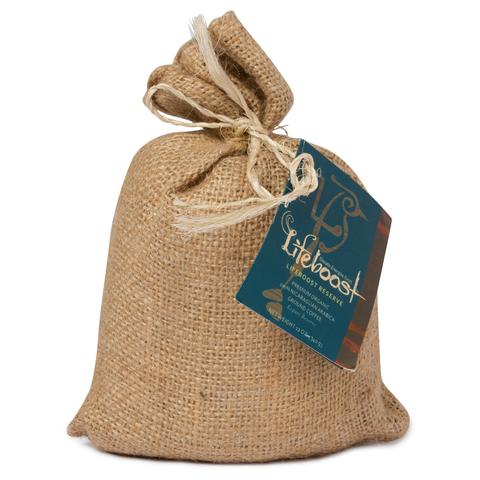
Lifeboost Medium Roast is:
USDA Certified Organic – The purest, organic hand-selected beans for your health.
Single Origin – One high-quality source, no blends.
Mountain Shade Grown – No pesticides used and bird-friendly for our environment.
Sun Dried and Spring Water Washed – No chemicals or harmful processes ruining the purity and health properties of the coffee.
3rd party tested for Mycotoxins – Coffee straight from nature without any additives. They regularly run 3rd party testing on their beans to ensure that the mold count is far below the FDA standards
The mountains of Nicaragua is where only the best varieties of Arábica specialty beans are grown. Their coffee is grown in the shade high in the mountains without pesticides or chemicals. The certified organic beans are hand-selected for purity, hand-washed, and sun-dried to remove harmful moisture content.
Lifeboost Coffee is one of the more expensive brands out there and that’s no surprise considering the care and sustainable farming practices that go into such a cultivated high quality bean.
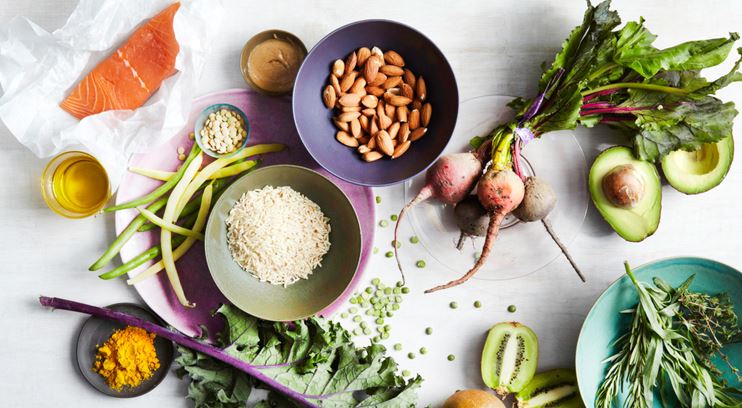
A vast number of foods are both healthy and tasty. By filling your plate with fruits, vegetables, quality protein, and other whole foods, you’ll have meals that are colorful, versatile, and good for you.
Here are 25 incredibly healthy foods. Most of them are surprisingly delicious.
Fruits and berries are among the world’s most popular health foods.
These sweet, nutritious foods are very easy to incorporate into your diet because they require little to no preparation.
1. Apples
Apples are high in fiber, vitamin C, and numerous antioxidants. They are very filling and make the perfect snack if you find yourself hungry between meals.
2. Avocados
Avocados are different than most fruits because they are loaded with healthy fats instead of carbs. Not only are they creamy and tasty but also high in fiber, potassium, and vitamin C.
3. Bananas
Bananas are among the world’s best sources of potassium. They’re also high in vitamin B6 and fiber, as well as convenient and portable.
4. Blueberries
Blueberries are not only delicious but also among the most powerful sources of antioxidants in the world.
5. Oranges
Oranges are well known for their vitamin C content. What’s more, they’re high in fiber and antioxidants.
6. Strawberries
Strawberries are highly nutritious and low in both carbs and calories.
They are loaded with vitamin C, fiber, and manganese and are arguably among the most delicious foods in existence.
Other healthy fruits
Other health fruits and berries include cherries, grapes, grapefruit, kiwifruit, lemons, mango, melons, olives, peaches, pears, pineapples, plums, and raspberries.
Unprocessed, gently cooked meat is one of the most nutritious foods you can eat.
8. Lean beef
Lean beef is among the best sources of protein in existence and loaded with highly bioavailable iron. Choosing the fatty cuts is fine if you’re on a low-carb diet.
9. Chicken breasts
Chicken breast is low in fat and calories but extremely high in protein. It’s a great source of many nutrients. Again, feel free to eat fattier cuts of chicken if you’re not eating that many carbs.
10. Lamb
Lambs are usually grass-fed, and their meat tends to be high in omega-3 fatty acids.
These foods are crunchy, filling, and loaded with important nutrients that many people don’t get enough of, including magnesium and vitamin E.
They also require almost no preparation, so they’re easy to add to your routine.
11. Almonds
Almonds are a popular nut loaded with vitamin E, antioxidants, magnesium, and fiber. Studies show that almonds can help you lose weight and improve metabolic health (5Trusted Source).
12. Chia seeds
Chia seeds are among the most nutrient-dense foods on the planet. A single ounce (28 grams) packs 11 grams of fiber and significant amounts of magnesium, manganese, calcium, and various other nutrients.
13. Coconuts
Coconuts are loaded with fiber and powerful fatty acids called medium-chain triglycerides (MCTs).
14. Macadamia nuts
Macadamia nuts are very tasty. They’re much higher in monounsaturated fats and lower in omega-6 fatty acids than most other nuts.
15. Walnuts
Walnuts are highly nutritious and loaded with fiber and various vitamins and minerals.
Calorie for calorie, vegetables are among the world’s most concentrated sources of nutrients.
There’s a wide variety available, and it’s best to eat many different types every day.
16. Asparagus
Asparagus is a popular vegetable. It’s low in both carbs and calories but loaded with vitamin K.
17. Bell peppers
Bell peppers come in several colors, including red, yellow, and green. They’re crunchy and sweet, as well as a great source of antioxidants and vitamin C.
18. Broccoli
Broccoli is a cruciferous vegetable that tastes great both raw and cooked. It’s an excellent source of fiber and vitamins C and K and contains a decent amount of protein compared with other vegetables.
19. Carrots
Carrots are a popular root vegetable. They are extremely crunchy and loaded with nutrients like fiber and vitamin K.
Carrots are also very high in carotene antioxidants, which have numerous benefits.
20. Cauliflower
Cauliflower is a very versatile cruciferous vegetable. It can be used to make a multitude of healthy dishes — and also tastes good on its own.
21. Cucumber
Cucumbers are one of the world’s most popular vegetables. They’re very low in both carbs and calories, consisting mostly of water. However, they contain a number of nutrients in small amounts, including vitamin K.
22. Garlic
Garlic is incredibly healthy. It contains bioactive organosulfur compounds that have powerful biological effects, including improved immune function (8Trusted Source).
23. Kale
Kale has become increasingly popular because it’s incredibly high in fiber, vitamins C and K, and a number of other nutrients. It adds a satisfying crunch to salads and other dishes.
24. Onions
Onions have a very strong flavor and are very popular in many recipes. They contain a number of bioactive compounds believed to have health benefits.
25. Tomatoes
Tomatoes are usually categorized as a vegetable, although they are technically a fruit. They are tasty and loaded with nutrients like potassium and vitamin C.

:max_bytes(150000):strip_icc():format(webp)/clotted-cream-scones-58a711075f9b58a3c92428c4.jpeg)
:max_bytes(150000):strip_icc():format(webp)/clotted-cream--slivki--on-slice-of-loaf-bread-on-cutting-board-on-vintage-table-653777354-f5a27d249e544991bd294e123ad751a2.jpg)
:max_bytes(150000):strip_icc():format(webp)/bowl-of-strawberries-and-cornish-clotted-cream-114412102-3d51f14292ac4587ac9f1a9ebcfb6d16.jpg)
:max_bytes(150000):strip_icc():format(webp)/scones-with-strawberry-jam-and-clotted-cream-959875000-21cd2f41b49c4b4b82a369d12ec7285a.jpg)
:max_bytes(150000):strip_icc():format(webp)/Camomile-tea-with-dried-camomile-flowers-581a75635f9b581c0bf73921.jpg)
:max_bytes(150000):strip_icc():format(webp)/Dry-black-tea-581a73a03df78cc2e85d2f7d.jpg)
 London Restaurant Review